
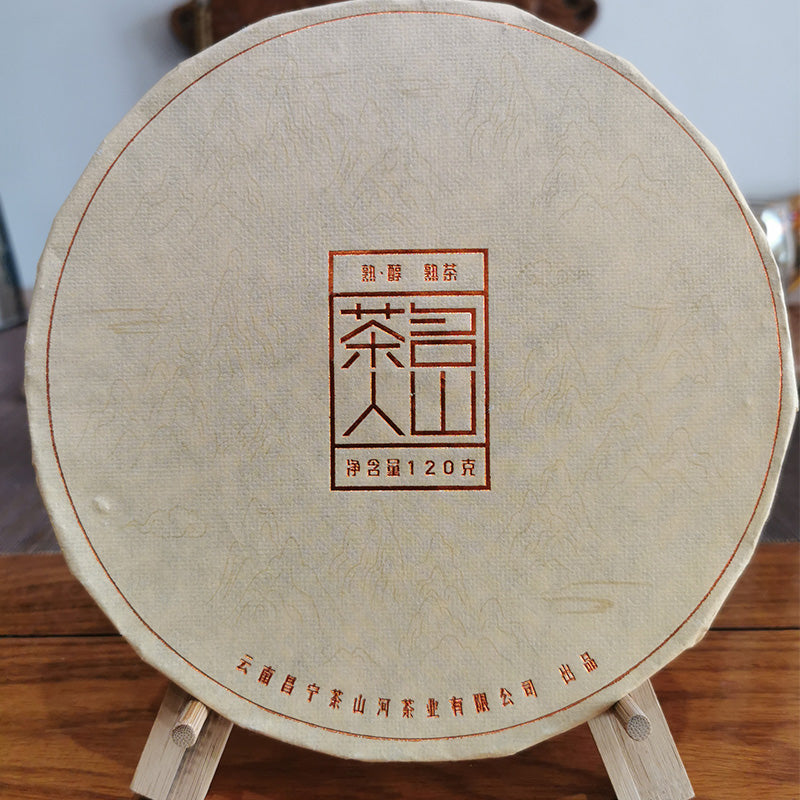
The Essential Differences Between Raw and Ripe Pu-erh Tea
Raw and Ripe Pu-erh are like two companion travelers who embark from the same high-mountain origin but diverge at a pivotal crossroad known as “fermentation.” One embraces decades of slow, natural evolution under patient cellar conditions; the other is guided through artisanal microbial wet-piling to attain immediate warmth and mellow depth. Understanding their fundamental distinctions is the key to mastering the world of Pu-erh tea.
1. Visual Appearance and Leaf Color
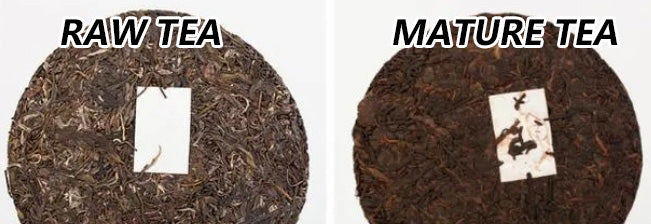
A Raw Pu-erh cake typically displays deep forest greens, silvery-white downy buds, and dark olive hues. In contrast, Ripe Pu-erh cakes exhibit rich reddish-brown, chestnut, and deep auburn tones with golden-tipped buds produced through the fermentation process.
2. Aroma and Flavor Trajectories
Young Raw Pu-erh opens with fresh alpine fragrances, wild flora, and mountain honey, accompanied by a lively astringency that quickly dissolves into sweet salivation. With age, it transforms into rich sandalwood, dried fruit, and honeyed nectar. Ripe Pu-erh delivers a comforting bouquet of warm forest soil, aged timber, dried dates, and caramel, characterized by a smooth, non-bitter, and soothing mouthfeel.
3. Liquor Clarity and Spent Leaf Characteristics
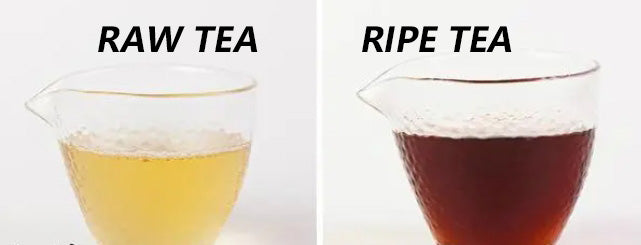
Raw Pu-erh yields a crystalline golden-amber liquor; its spent leaves remain supple, elastic, and vibrant, retaining visible leaf veins. Ripe Pu-erh produces a clear, luminous ruby-red or deep burgundy liquor with soft, fully fermented dark-brown leaves.
4. Artisanal Production and 1973 Wet-Piling Innovation
Raw Pu-erh follows traditional methods: harvest, gentle spreading, pan-fixation (Sha Qing), rolling, sun-drying, and stone mold pressing. In 1973, masters at Kunming Tea Factory perfected the wet-piling (Wodui) technique, allowing large-leaf tea to develop rounded smoothness and warm character within 45 to 70 days, dramatically shortening the wait for comforting aged flavors.
5. Suitability for Different Times and Lifestyles
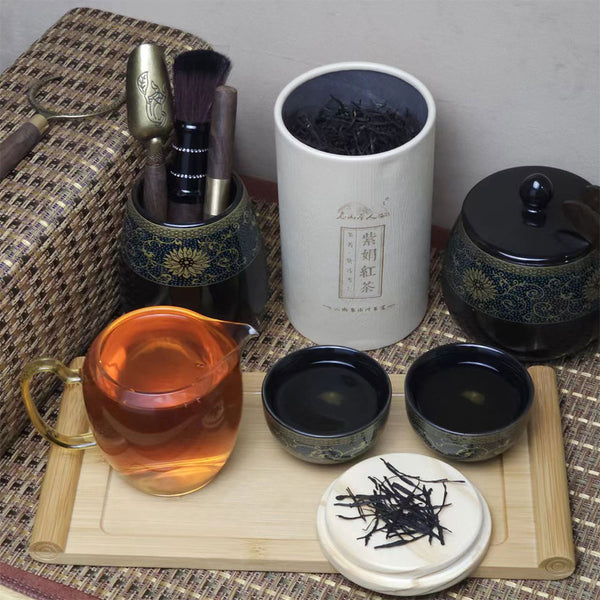
Raw Pu-erh: Ideal for morning and afternoon moments, its high polyphenol concentration and vibrant Cha Qi awaken mental clarity and invigorate the spirit.
Ripe Pu-erh: Gentle and grounding, its soothing warmth makes it an exceptional choice after heavy meals or as a relaxing evening companion that nurtures digestion without disturbing sleep.
6. Value and Aging Dynamics
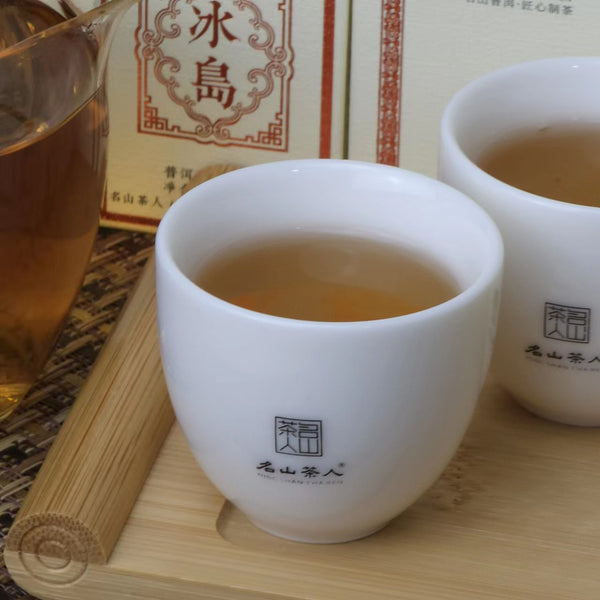
Newly produced Ripe Pu-erh may command a modest premium over standard new raw tea due to additional processing labor. However, aged Raw Pu-erh with documented pedigree appreciates exponentially over time. Its complex biochemical transformation in Hong Kong dry storage creates transcendent flavor profiles that represent the pinnacle of global tea collecting.
Editorial Attribution & Contacts:
Author: Master Lam Sam (Old Tea Master)
ZenTea Manor | Alliance Supply Chain Services Limited
Room 902-3, 9/F, Mini Cube, 10 Sam Chuk Street, San Po Kong, Kowloon, Hong Kong
Website: www.zentea-shop.com | Email: info@zentea-shop.com
Published by ZenTea Manor Editorial Team | Dedicated to authentic Yunnan Pu-erh terroir, craftsmanship, and Hong Kong dry-storage aging.

